
This section is dedicated to a few handy low FODMAP recipes to make your journey on the low FODMAP diet a tasty one!
Just click on recipe name and you will arrive at the blog post with the recipe for you…all ready to cook up!
And follow my FODMAP recipe board on Pinterest for more low FODMAP recipes I have found scouring the internet!
Main Dishes:
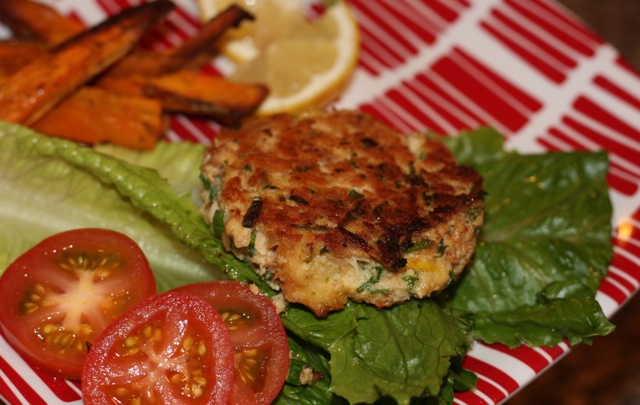

Chicken and Rice Vermicelli Confetti Salad

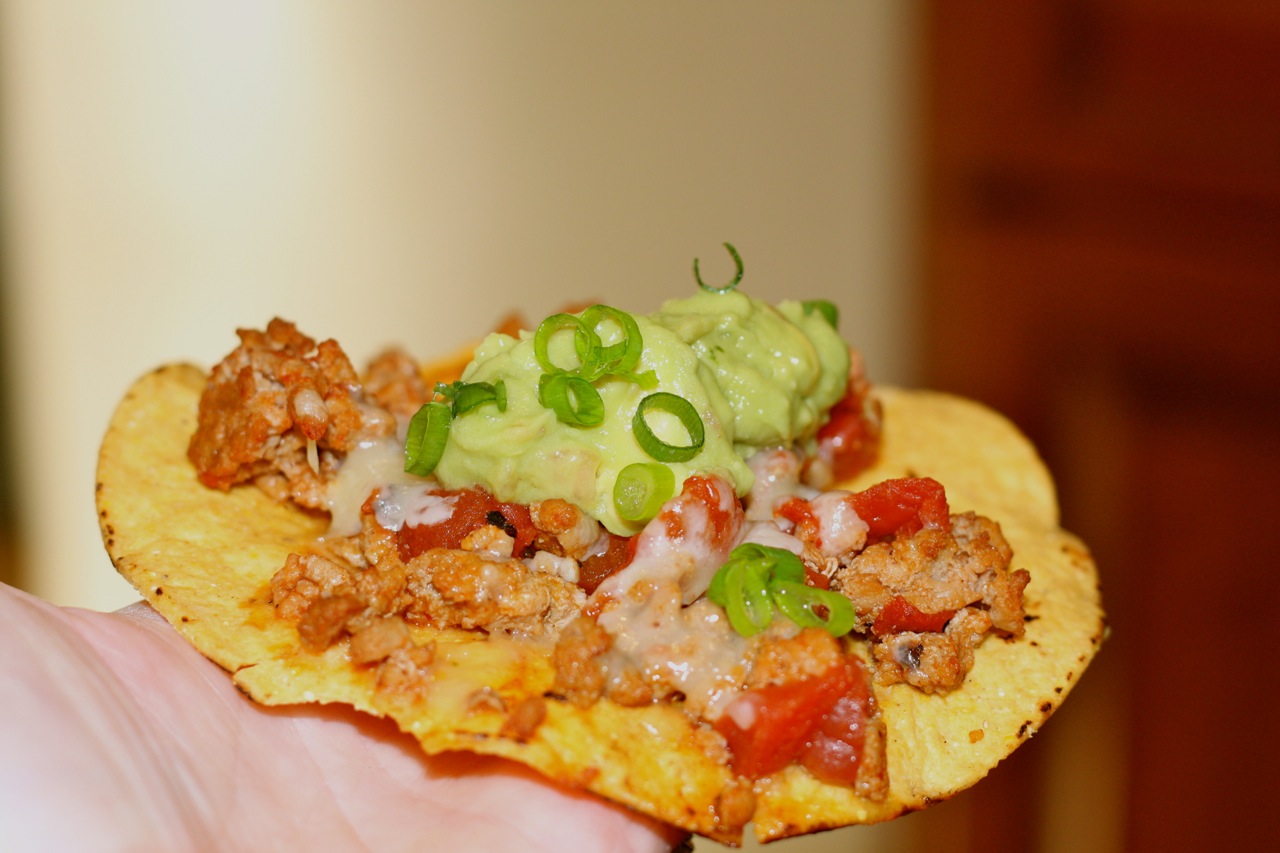
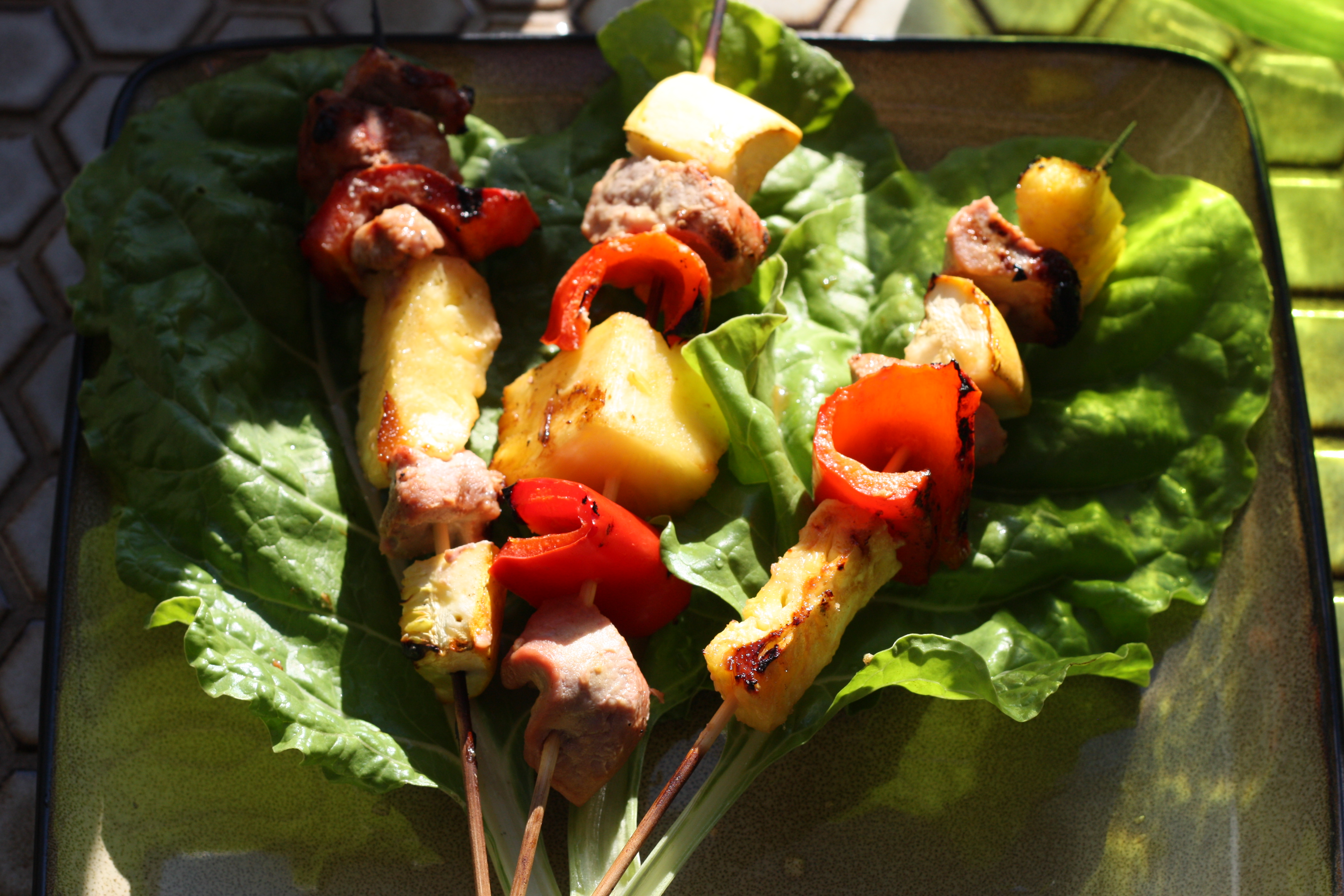
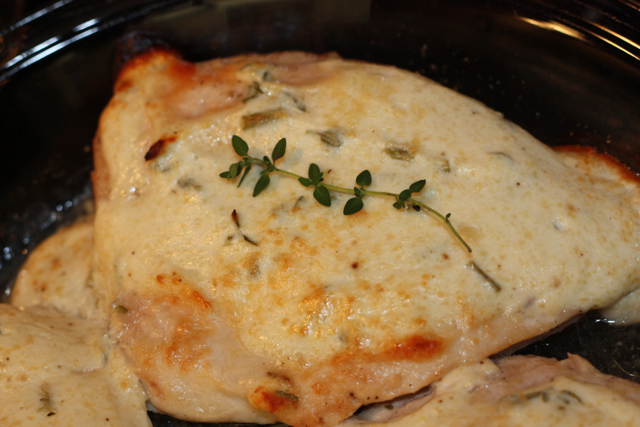
Cheesy Yogurt and Herb Chicken
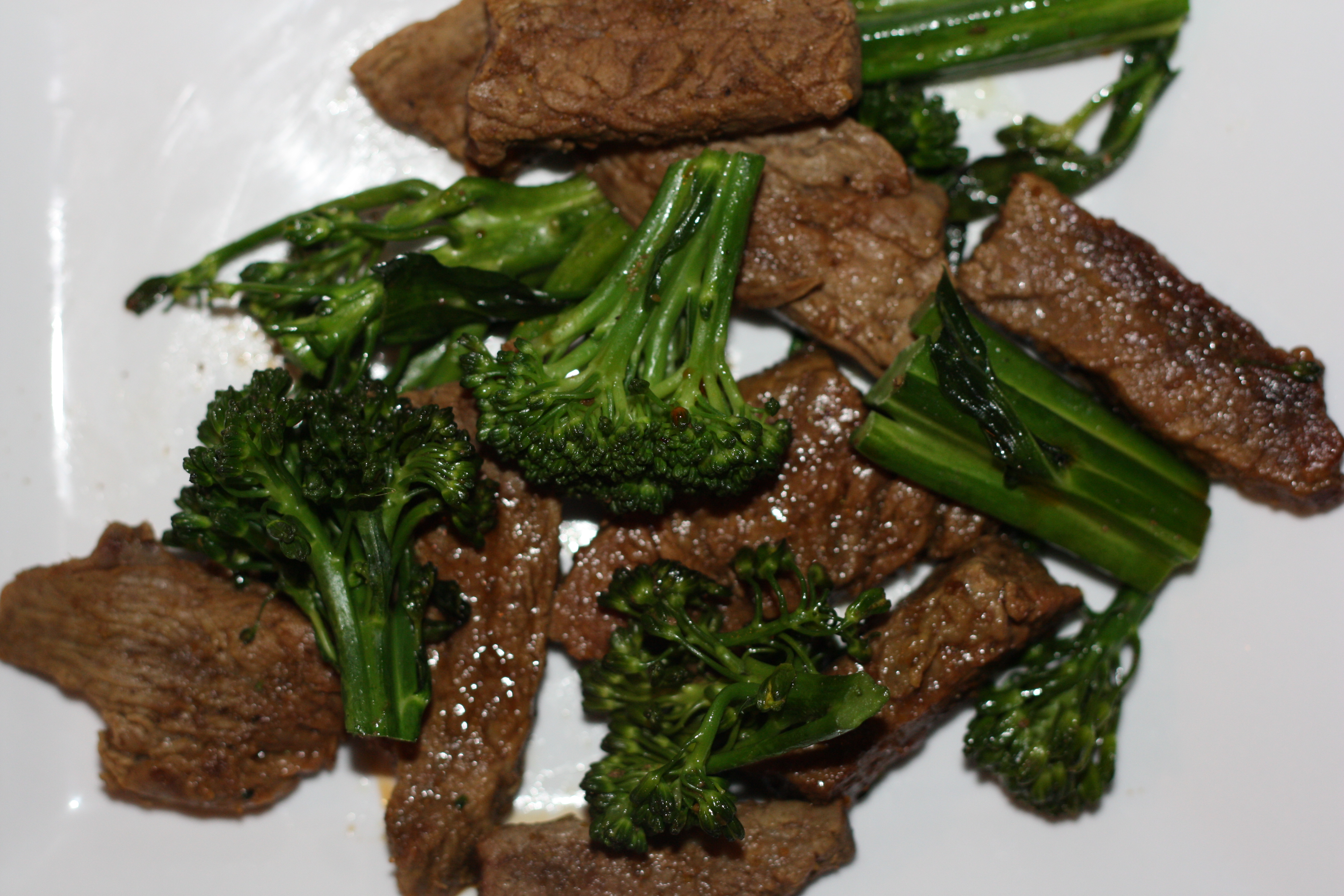
Curried Beef and Broccoli (or sub in Chicken and Spinach)
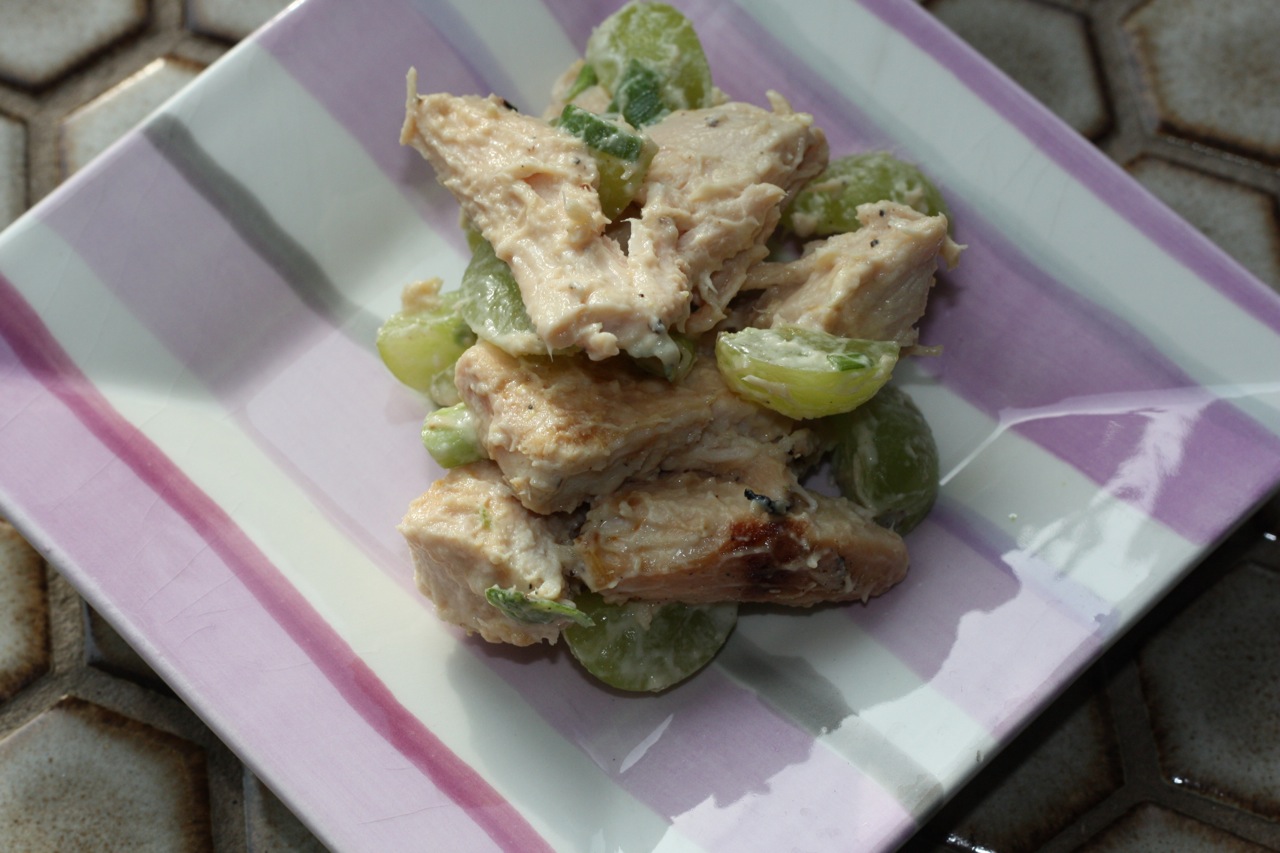
Sweet Teriyaki Chicken Salad with Grapes
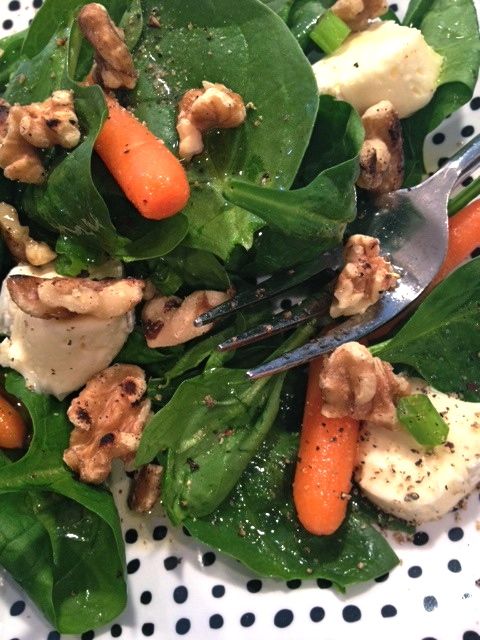
Spinach, Brie and Walnut Salad
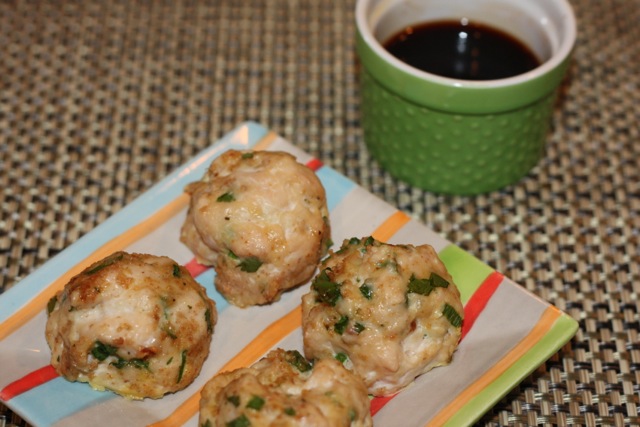
Cilantro Ginger Chicken Meatballs
Smoothies:
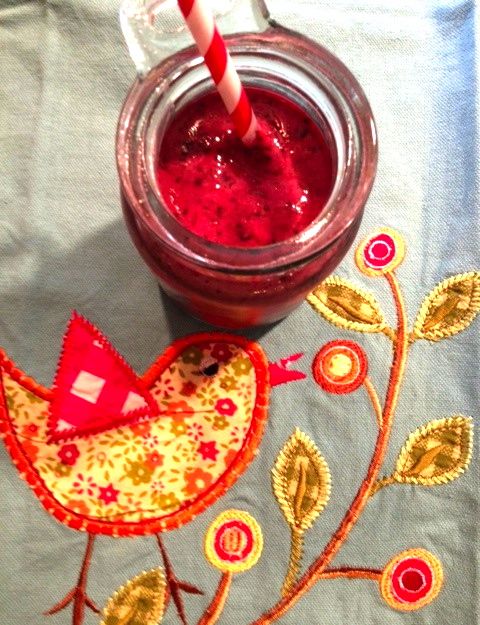
Blueberry Minty Groovy Smoothie
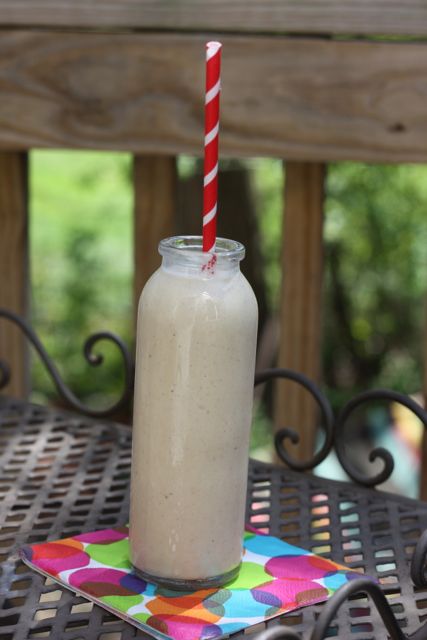
Just Monkeying Around Smoothie
Appetizers and snacking nosh:
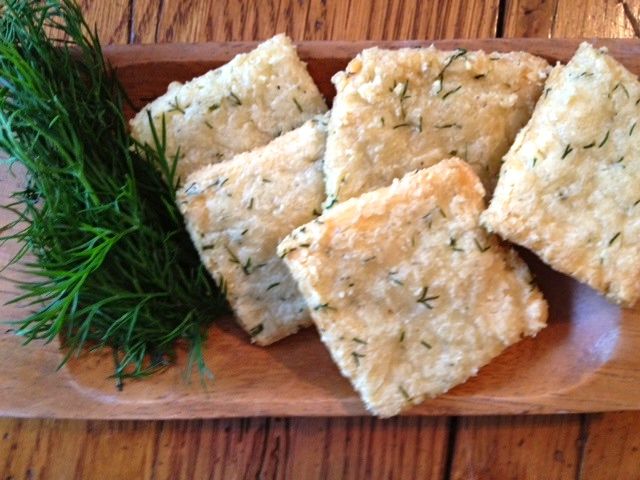
Almond, Dill Parmesan Crackers
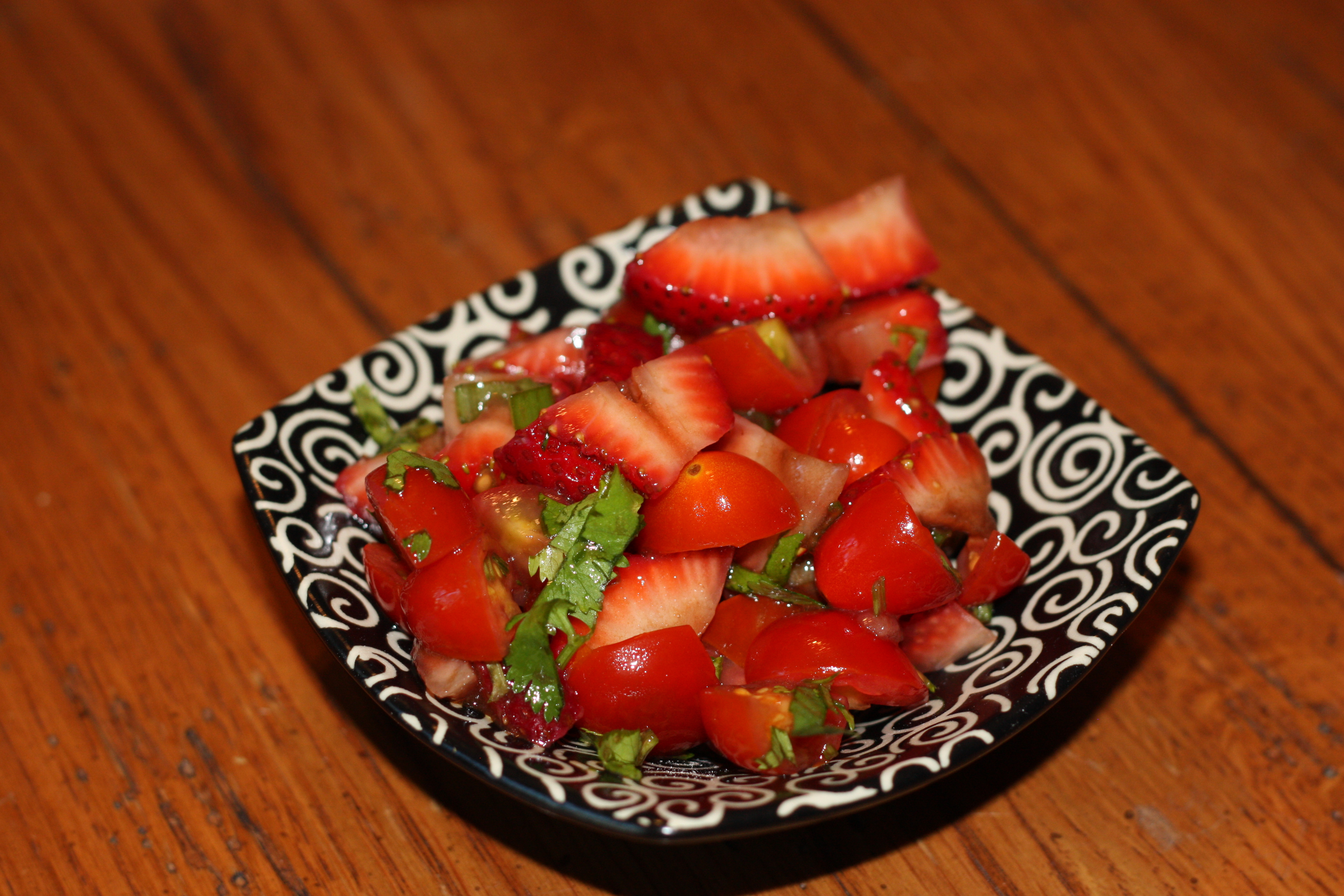
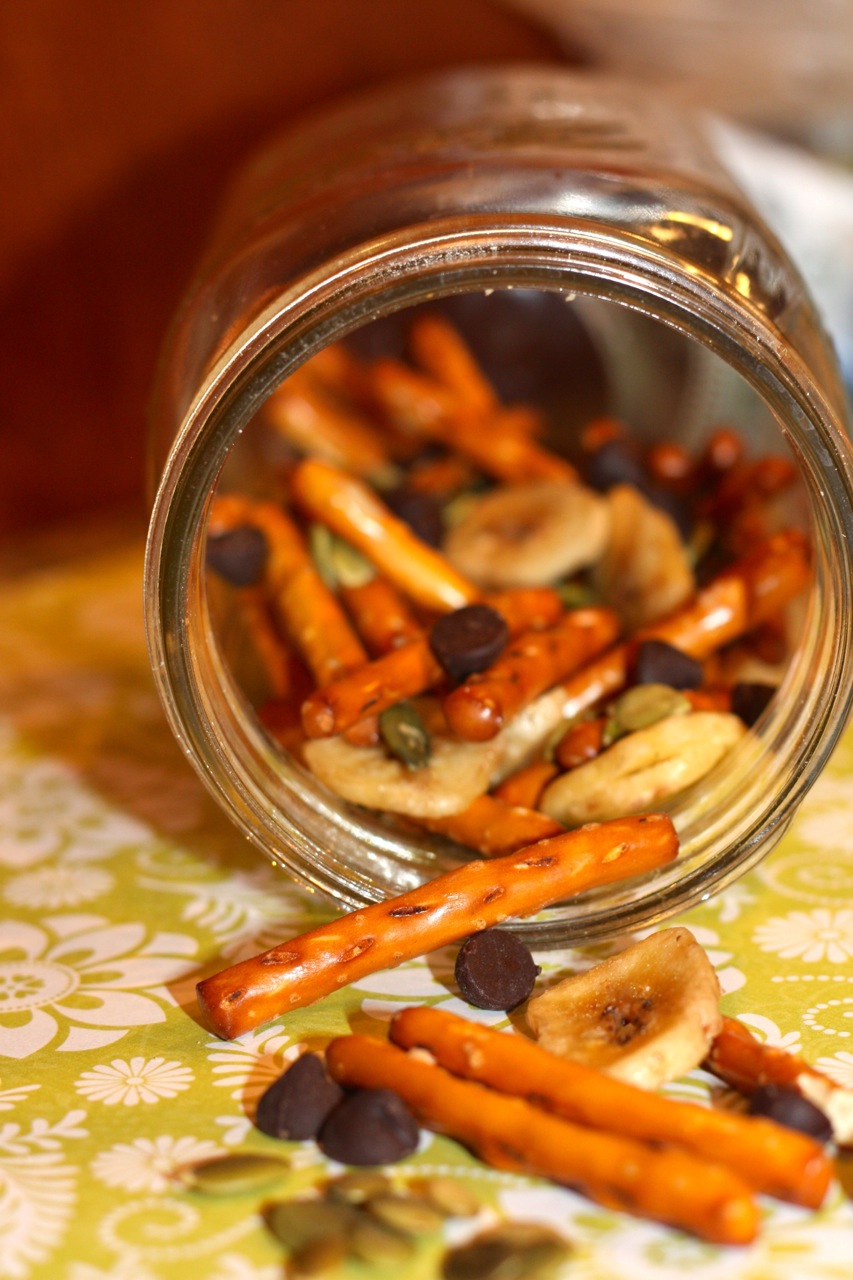
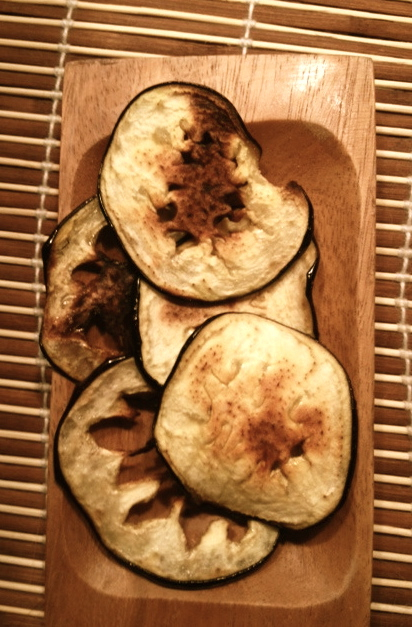

Oh Nuts! Cocoa-dusted, Cinnamon sugar and maple sugared Almonds
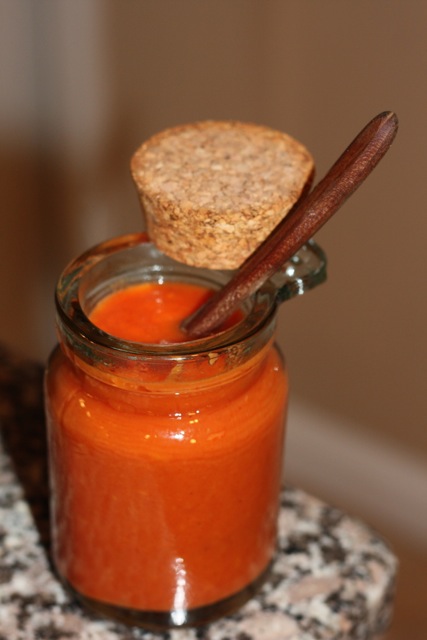
Sauces and Dressings:
Desserts and Sweets:

Mini Carrot Walnut Muffins with Cream Cheese Drizzle
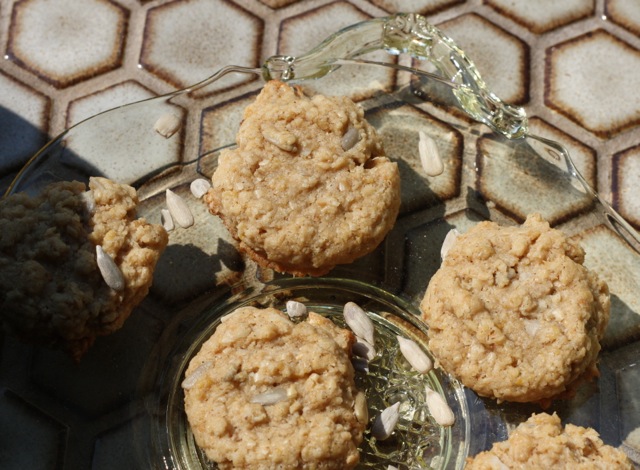
Peanut Butter Oat Bran Cookies with Sunflower Seeds and Coconut
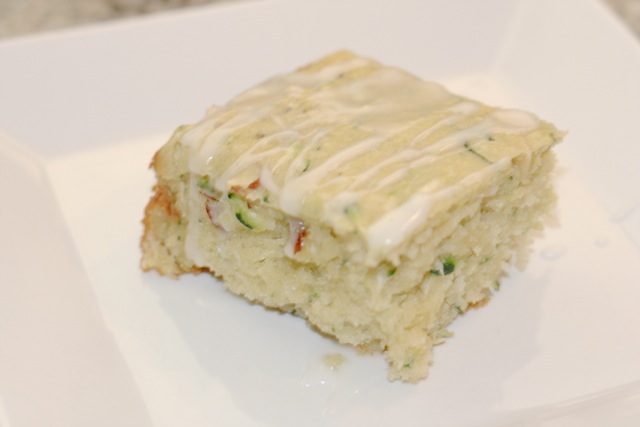

Wheat free Oatmeal Cookies with Dark Chocolate Chips and Walnuts
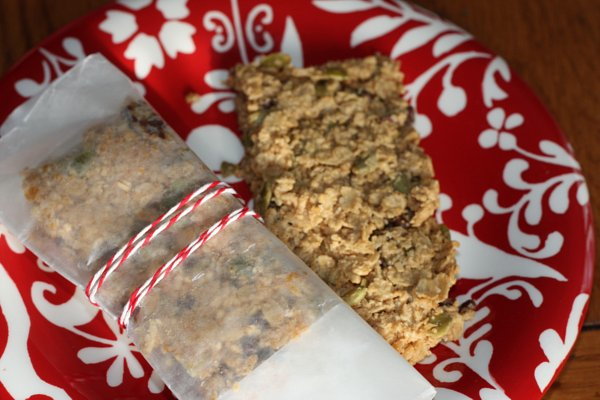
Peanut butter Chocolate Chip Granola bars with pumpkin seeds

NO excuses….Get Cookin’!!!
Yvette Merchant
I am new to all of this and I am feeling very overwhelmed. please if you have any easy meals to start with I would appreciate them very much.
katescarlata
Yvette: Get a few ideas on my menu and snack idea handout which can be linked here! http://blog.katescarlata.com/fodmaps/fodmaps-menu-and-snacks/
Try to meet with a dietitian knowledgable in the diet to help you navigate menu planning.
Jen
Hi Patsy, I have struggled with extreme gas in the form of bloating/stomach pain and flatulence for the past 7 years or so. I am what you call a “healthy” eater and love whole grains and fruits/veg with every meal but as I am reading up on FODMAPs I am learning that this so-called healthy eating may not be healthy for me (and my sensitive GI tract). I have self diagnosed myself with IBS as my gas gets worse with larger meals, certain foods (lactose and gas forming fruit/veg), alcohol and stress. I do not experience constipation or diarrhea but do have change in bowel consistency and frequency with certain foods. My question is, do you think the FODMAP elimination diet/trial is right for me? Do you have any other suggestions? Any advice will be greatly appreciated!
katescarlata
Hi Jen: I would think a low FODMAP diet would be worth a try to see if it helps your symptoms. Both Patsy Catsos (IBSfree.net) and I blog about FODMAPs and have plenty of info on our sites. If you decide to try the diet, try to meet with a dietitian knowledgable in the diet.
Best,
Kate
Jen
Thanks Kate, my appologies… as you can see I found Patsy’s site too and asked her the same question and forgot to change the name when I copied and pasted it to your blog(oops!). Funny that you should say that because I am actually a dietitian (dialysis specialty) and always just attributed my gas to my “healthy eating,” but as the years go by and symptoms have gotten worse I am now researching this area of nutrition (to help me for a change instead of my patients). I did a food journal the past few weeks and couldn’t ID any real offeders/themes (besides breakfast causes no problems) so I am on to try the elimination diet now. Thanks for your expert insight!
elise
hi kate, i just wanted to let you know that i included your blog and website in my resources section on my fodmaps site as ive found your posts SO helpful. seriously, i am thrilled that someone in the US is focusing on this kind of diet as a way of managing IBS symptoms.
i plan on ordering the monash booklet, but i wanted to be sure it was relevant info for people outside of australia. can you give me any details about what it has? does it break down individual foods by the amount of fodmaps? is it a grocery list or cookbook or just foods that have been tested? does it use american fruit and vegetables or aussie ones? thanks so much for your insight and updates and everything you do! -elise (www.fodmapsdiet.com)
katescarlata
Thanks for including my blog on your site! I have found this diet so helpful for so many of my clients that I am thrilled to learn as much as I can and spread the good word! 🙂 Not sure about tempeh…some seem to tolerate –it certainly could be tried as part of a GOS challenge.
Kate
Eve
Kate – thank you for your website 🙂
Elise,
Monash University has recently released an app for the iPhone – The Monash Low FODMAP diet – search keyword “FODMAP”. This has content similar to the hardcover booklet. The app doesn’t talk about brands specific to the Australian market – primarily breads, condiments, dairy, meats, and fruit and veggies. Most of the products are listed under both names (zucchini/courgette; cilantro/coriander; polenta/cornmeal).
The guide uses a traffic light system – green is low, orange is medium and red is high. It also has suggestions for serving size to minimise symptoms. So for example, 2 tablespoons of balsamic vinegar is green for Oligos, polyols and lactose, but orange for fructose. However, a serving size of 1 tablespoon is green for all four FODMAPs. It’s really helpful 🙂
In addition to the food guide, it has recipes, symptom diary, information on the theory behind the low FODMAP diet and tips for vegetarians on the low FODMAP diet.
I just checked – It’s available on both the Australian and US iTunes App Stores (actually, it’s cheaper on the US iTunes!)
Good luck! 🙂
Phoebe
New to this IBS FODMAP intolerance, please help with list of what I could or cannot do for healthy eating..
Thank you
katescarlata
Phoebe- Check the check list on my blog here…http://blog.katescarlata.com/fodmaps/fodmaps-checklist/
karin
Hi Kate, Just found this website a few days ago. I’ve been aware of the FODMAP guidelines for a few years now, but am not up-to-date on all the continuing research. I was wondering, are you planning another FODMAP twitter chat with Dr. Barrett? If so, when do you think it might be? Thanks much –
katescarlata
We discussed the possibility of doing another FODMAP twitter chat but have not firmed up the date. The UK dietitian’s hope to do a FODMAP chat I believe in April. This should be a very informative chat as well. Hope you are following me on twitter @katescarlata_RD and be on the lookout for #RDUK hashtag to see what topics the UK dietitians have coming up. Emma Carder is a great FODMAP resource as well on twitter follow her @emmacarderrd
karin
great — thanks for organizing these events!
Jaimie
Hi Kate! I’ve recently been diagnosed with IBS and my doctor suggested the low fodmap diet. Your website has been very helpful. I have a question about corn though. Why is sweet corn high fodmap but polenta ok? And where does popcorn fit in the fodmap scale? Thanks!
katescarlata
Hi Jaimie-
As the diet evolves individual foods are tested for levels of FODMAPs-sweet corn has been tested and does contain small amounts of the fructan/GOS group so only a 1/2 cup serving is allowed. As popcorn is made from corn–small amounts would be okay–say 1-2 cups popped as that would equate to the small amount allowed. Corn flour is low in fodmaps–been tested. I am not sure polenta has been tested yet…it is presumed to be okay, but once we get the final numbers from the Australian researchers may prove to be otherwise.
Hope that helps a bit.
Kate
David
Has there been further research on cornmeal? I live in the Deep South where cornmeal is a staple, but I am leery of the fact that corn has FODMAPS.
katescarlata
David, polenta is okay. Corn varies depending on the product. Corn on the cob–has sorbitol and oligosaccharides–GOS. But corn flour and polenta seem okay. I would think grits would be okay. It is more starchy than sweet.
DebraS
I need to follow the fodmaps diet completely so l need to know: can l use guar gum and/or xantham gum as a substitute in baking and sauces? Love this site, very helpful.
katescarlata
Small amounts of guar gum and xantham gum seem to be tolerated in baking. Glad you like the site!
Kristen
Hi Kate, your website is a great resource! I was recently diagnosed with SIBO and being a nutrition and dietetics student, studying to be an RD, I did some research and found out about this diet. I am working with my gastroenterologist and a RD who is very familiar with this diet. I am in the elimination phase and based on your revised list there are some things that I was advised not to have and some I could have, these foods are in the moderate polyols & fructans.GOS area. Do you recommend I restrict any of these during the elimination phase? Avocados, asparagus, broccoli, Brussels sprouts for example I have been avoiding. Also, I react to grapes and do not eat them but enjoy my red wine? Thoughts on if red wine is okay then. The RD I am seeing also wants me to avoid peanut butter, and I love PB, for the elimination phase because of the way it ferments for people with overgrowth, do you think it is okay? Also, some stuff is under researched still such as pomegranate and goji berries. Nature’s path food has a gluten free cereal called whole O’s and these are the INGREDIENTS: Brown rice flour*, corn flour*, evaporated cane juice*, pomegranate juice concentrate*, sea salt. *Organic. Because of the pomegranate juice is this not fodmap friendly?
Thanks for all your help on this issue, it is great to know I can look on your blog for a reliable resource for information. I am also attending the conference in NH, so I am looking forward to learning more about this.
Thanks,
Kristen
katescarlata
I would follow the advice of your dietitian and Gastro but I do allow those moderate fructan/GOS, and polyol food items as advised in small quantity–one of those choices per sitting on the elimination phase. An occasional glass of dry red wine seems tolerable for many of my clients. I have not heard about peanut butter fermenting per se–not really a source of FODMAPs but some practitioners advise against p.b. because peanuts can be a source of mold. I allow in moderation 2 TB on elimination phase. I would avoid the cereal with pomegranate juice for now.
So happy to hear you will be at our workshop!!
Kate
Kristen
Thanks Kate for the quick response and advice.
Katherine
I too was diagnosed with SIBO and it caused Fructose Malabsorption for me. I was able to eat certain peanut butters freashly ground or Adams brand during the elimation period.STAY AWAY FROM ALL SUGARS during this elimation period. Brown rice from my understanding was also something that you want to aviod because it is a gas forming food.Meet with a nutritionist because during this phase, your diet is so restricted and is easy to fall short nutritionly.Good luck!
Katherine
Hi Kate, I was diagnosed with SIBO and Fructose Malabsorption and have seen alot of posting about GOS,what exactly is it and is this something that I should avoid or be on the caution with, with my condition?
katescarlata
GOS stands for galacto-oligosaccharides, one of the FODMAP sources. They are chains of galactose. GOS are carbohydrates similar to fructans in which humans lack the enzymes to break the chains apart so they are malabsorbed and highly fermentable (gas producing) Because FODMAPs are all potential fast food for bacteria, I would suggest you avoid them as well on the elimination phase of the diet. An RD knowledgeable in the diet will be able to assist you on what foods are sources and how to re-challenge your diet after the elimination phase is complete.
Helen
Sorry, I have another question. Is goats cheese OK. I heard that it is but want to check.
I am in the elimination phase – how long should I be in this phase before adding things?
Thanks,
Helen
katescarlata
Goat cheese in small amounts should be okay–it is low in lactose. The elimination phase is encouraged for 6-8 weeks.
Lauren
Hi Kate,
Is there any info on sucralose in terms of FODMAPS? is it safe?
katescarlata
Lauren-
Sucralose has been shown in one study to reduce health intestinal bacteria..so I discourage it’s use.
Nicole
Thanks for your great website, Kate! I’ve been following your site for a little while and particularly appreciate your up-to-date charts. I also have a question: what is the current state of research on brown rice? You mentioned above that it is gas forming, but is it still considered a FODMAP? Based on a couple of unscientific trials, I don’t seem to handle it well, but I’m wondering whether it for a different reason. (I can’t tolerate coconut milk either, and large quantities of almond butter give me trouble, but maybe I am particularly sensitive to polyols.) On the other hand, I had some gluten-free “whole grain rice flour” (assuming that’s brown rice) bread, and it was okay, but perhaps because it was a sourdough. Curious about others’ experience!
Thanks!
katescarlata
Some patients do find brown rice problematic but it does NOT contain FODMAPs per se –just a trace of fructans. I don’t recall mentioning that brown rice was gas forming…hmmmm?
Almond butter should be consumed in limited portions–it is a source of fructans and GOS but if consumed in reasonable portion size such as a tablespoon or two falls within FODMAP cut off levels. I have not seem the data on coconut milk and water but I have heard verbally from the Monash group that they are low in FODMAPs –old data had them as excess fructose.
Nicole
Thanks! I think I saw Katherine’s comment about brown rice and mistook it for yours. If I do another brown rice experiment, I’ll report back here. Good to know that some of your clients also have trouble, as with coconut milk. It’s good to have some confirmation that a particular food can be problematic, even if it’s not technically FODMAP heavy!
Thanks again for your help!
Nicole
Monica
Hi Kate
Have you ever heard of any of your clients suffering from their tongue feeling like they’ve burnt it on a hot liquid after accidently eating high FODMAP foods?
Monica
katescarlata
Hi Monica-
I have not had a client mention that concern in my private practice but I wonder if you may have a b12 deficiency. This can occur in individuals with IBS that have small intestinal bacterial overgrowth (SIBO). Have you been tested for SIBO? Have you have your B12 level checked by your doctor? I would be sure to mention this symptom to your doctor.
Kate
Monica
Thanks Kate for your reply. Yes the SIBO test was negative and b12 and folate levels were normal. I really appreciate you taking the time. Monica
Annette Ludington
Hello Kate and thank you for sharing all your wisdom with us. Your recipies are wonderful.
I like taking Chinese Herbs from time to time and wondered if I should possibly stay away from those containing Lycium Fruit, which I understand is the same as Goji Berries. Do you have any information about this fruit? Thanks so much!
katescarlata
Not sure if Goji Berries have been tested for FODMAPs in Australia. The USDA nutrient databank and NUTTAB, two other sources of food composition did not have info either….at least that I could find on their nutrient composition. So…I would say avoid for now if possible.
Annette Ludington
Thanks Kate. I will avoid for now…too painful to take the chance. :-/ Have a great day!
Emily
Hi Kate,
I was wondering if you had seen any further research regarding goji berries and fodmap content.
Thanks!!
katescarlata
Emily, I have yet to see any info on goji berries and FODMAPs….sorry.
Kaylee
Do I need to make my own ketchup, pizza & spaghetti sauce? My pizza sauce is all natural but contains soybean oil and the spaghetti sauce contains garlic powder. The ketchup contains garlic & onion powder. Any recipe ideas for these? Also, what about canned tuna & canned chicken. The canned tuna contains vegetable broth & the chicken contains chicken broth. Should I stay away from both of these because there could be hidden onion/garlic in them? I understand that barley is ok in small amounts. I eat 1/4c on my salad everyday. Is this ok? Flaxseed is gluten free. Is this alright to consume daily on my cereal? Thanks so much for all your help!
katescarlata
Kaylee–technically if you passed the lactose and fructose malabsorption tests you should be able to include food sources that contain only that FODMAP… in the elimination phase of the diet. Small amounts of HFCS seem to be tolerated but I discourage its use in general as a chemically derived product that we don’t know too much about. I would avoid ketchup on the elimination phase of the diet which is just 6-8 weeks. Heinz has a simply ketchup that seems to just have small amounts of onion powder and no HFCS–many of my clients tolerated it. I would encourage you to use fresh tomatoes over rice pasta for spaghetti sauce –you can add fresh basil and garlic infused oil. The commercial products can be a big trigger for so many–so many no no ingredients often in them. Barley is not allowed actually and may be the reason for your residual symptoms…I would avoid. I don’t have data on flaxseed yet so I would not allow since you still have symptoms. I would add perhaps oat bran or rice bran for fiber instead. Hope that helps a bit.
Kaylee
Is it ok to have barley malt because I see this is found in Bear Naked Fit Van Almond Granola? Is sugar beet fiber allowed because I found some gluten free bread with this in it? I heard that soy sauce is allowed, but it contains soybeans. If an item lists spices, should it not be allowed because the spice is unknown & could be garlic/onion? Is fruit pectin allowed if fructose does not bother me? You are a true life saver–thanks so much!
katescarlata
Barley malt should be fine…it is a source of gluten but I don’t believe would have significant FODMAPs content. I would question sugar beet fiber. Soy sauce, tofu and some soy milks due to processing should be low in FODMAPs. In the US, I believe spice does NOT refer to onion and garlic or celery. Fruit pectin is okay–pectins are longer chain carbohydrates…still may cause gas but not considered a fodmap from what I understand.
It is always best to work with a dietitian when changing your diet to ensure nutritional adequacy. The info on this site is informational only and does not substitute for working with a knowledgeable health professional.
Kaylee
I really appreciate all your help. The low-fodmap diet has really helped a lot. All my symptoms for IBS & GERD have been relieved with the diet except for the bloating issue. Instead of looking 6 months pregnant, I currently look about 2-3 months pregnant after I eat. I had Colonoscopy-normal, hydrogen breath test for lactose & fructose-normal, lab work for gluten-normal, UGI w/ SBFT (they thought the lymph nodes where pressing on intestine) so they did CT scan-normal, LGI showed GERD & IBS. In the morning I eat 1/2c oat bran w/ Lactaid milk & 1c blueberries–I get bloated. I decreased the blueberries to 1/2c & still get bloated. For a snack I eat 1c Glutino Rice Flakes with Lactaid & get bloated. For another snack I have 4oz Greek yogurt w/ your ban/oat pancake recipe & get bloated. I always feel hungry after I eat because I’m always afraid of getting bloated–and I still get bloated. My gastroenterologist says because of my small size, the food has no where to go when I eat except to expand out. Could this be right? Is there something else I should be doing? Do I need to be more patient with this. I just get so frusterated. I will con’t with the low-fodmap diet.
katescarlata
Kaylee-
It sounds like you are heading in the right direction. The oat bran is a great low FODMAP cereal but perhaps it has too much fiber for you? I would highly recommend you visit with a registered dietitian to help you navigate your diet and help you make additional modifications if necessary. Unfortunately, I can’t provide individual recommendations on this blog–it’s purpose is educational not personal medical advice.
Best to you,
Kate
Kate Hudson
Hello! I greatly appreciate your blog … I am a new IBS-C diagnosis and I have no idea what to eat for lunch at work anymore. I’ve always had digestive issues but they have gotten 10x worse in the last two months. I am struggling to figure out what to eat. I work full-time and am always busy, so my meals and work lunch have to be easy/on the go. I’ve been eating large salads for lunch for years and all of the sudden, I am bloated and cramping/in pain after I eat a salad. Is this common??? Is salad an IBS trigger? Any advice would be great! Thanks!
– Kate
katescarlata
Raw veggies can be difficult to digest so for some individuals consuming LARGE amounts may pose a challenge. Salad should not be a FODMAP issue as lettuce is low in FODMAPs but it could be a dietary issue outside of FODMAPs that challenges you. I would recommend a good gastrointestinal work up. Be sure you don’t have an inflammatory condition such as Crohn’s disease, celiac testing and with such an increase in the past 2 months in symptoms consider small intestinal bacterial overgrowth testing too.
Kate Hudson
Thank you so much for the advice — I appreciate it. I have had testing for the last two weeks. Clear ultrasound, Clear CT, No ulcers. Endoscopy was normal so they ruled it IBS-C. They did a Celiac biopsy but it isn’t back yet. I am seeing a GI doctor today so I will ask those questions! I was told by the Endoscopy attending to take Miralax and Citrucel, which I did prior to eating that salad — hoping it was just a new fiber reaction and not a salad problem! Thank you for your advice!!
Jen
Hi Kate,
My doctor recently told me to start taking Triphala for my chronic constipation. Is it safe to take Triphala on a low FODMAP diet? If not, what do you recommend to keep things moving?
Wonderful blog! Thank you for all your work.
Jen
katescarlata
From what I have read about Triphala…it can cause gas. Not sure that it is a FODMAP source or not but I try to encourage non-fermentable fiber supplements such as citrucel. Your doctor may have a specific reason for recommending Triphala so discuss changes to your plan with him or her. Best to you!
Jen
Hi Kate,
With Citrucel, do you recommend the powder form (if so, full sugar or the sugar free version) or the capsules? Is there a starting dosage you recommend for people who are prone to bloating?
Thanks again!
katescarlata
Jen- I personally try to get fiber via food vs. supplements in my clients. Citrucel products should all suit the low FODMAP diet-the sugar free variety appears to use aspartame not sugar alcohols so that should be okay. Keep in mind: the caplets only have 1/2 a gram of fiber per caplet and the scoop of citrucel provides 2 grams of fiber while food such as oats can provide 4 grams of fiber in a 1 cup cooked serving! Fiber supplements can be helpful if you can’t get the fiber in via foods but I suggest trying foods first! As far as recommendations, always check with your health care provider who is most familiar with your medical history regarding types and amounts of fiber that would be most appropriate for you and your body—recommendations vary!
Kaylee
Is it ok to eat hemp seeds on low FODMAP diet? After the elimination phase is over & the problamatic foods are known, will I have to stay off of these foods forever, or will I ever be able to go back to a regular diet?
katescarlata
Kaylee-That has been a very popular question lately as hemp seeds are gaining popularity! I don’t think they have been tested yet. I will be moderating a twitter chat on FODMAPs with 2 of the Monash University researchers tomorrow 6/5 at 6 PM US EST–if you are on twitter follow the chat and chime in with this question. In order to follow the ‘thread’ for the chat, use the hashtag #fodmapchat. As far as the longevity of the diet, there likely will be some foods you will avoid forever or at least to avoid symptoms–but changes in your gut bacteria composition over time may allow for greater tolerance of some foods. Ideally, you want to liberalize your diet as much as possible for variety without inducing symptoms. Hope that helps….
Luna
Did you find out if hemp seeds are ok??
katescarlata
Luna, I am afraid I have not heard whether hemp seeds have been tested yet.
Elizabeth
Any conclusion on this? I love hemp seed hearts on my smoothies -they are a great way to add some protein and healthy fat.
katescarlata
I have not seen data on hemp seeds yet.
Kirsten Watts
Your FODMAPs shopping list includes some foods shown in FODMAPs research to be high in FODMAPS, example would be coconut milk. What made you include some of these items on your shopping list? I notice in some instances you are guiding clients with limited serving sizes, but I did not see your references for the shopping list. Could you please provide them?
katescarlata
Kirsten-The FODMAPs research is an evolving area of nutrition. The coconut milk was thought to be high in fructose and a FODMAP source but has been since been studied and shown to not be an issue (This information was provided to me and others on my recent FODMAPs twitter chat this week.) There are many FODMAPs lists and many are outdated online. I rely heavily on the experts of Monash for my information. I draw from personal conversations with the researchers, the FODMAPs booklet from Monash and many research articles made available to me by the Monash group. I do my best to get up to date and accurate info. on my site…as time allows between the many other work I do in my nutrition practice and my other important job…being a mom.
Kristen
Hi Kate, I was looking into purchasing curry powder the spice, and noticed it contained onions/or garlic. Just wanted to share since curry powder is used in some of your recipes, specifically the sweet potato hash browns in the recipe book we got at the FODMAP conference. I also had a question. Soy sauce is okay, but when I buy it should I be getting the gluten free kind, because the other kind contains wheat?
Thanks for all your time and commitment in looking over the research!
Kristen
katescarlata
Curry powder’s vary so try to find one without onion. Regular soy sauce is okay on the low FODMAP diet–it is not a major source of FODMAPs.
Samantha Newmark
I actually just dealt with this myself. I found that the Laxmi Brand curry powder has neither onions nor garlic. Hopefully you’ll be able to find it near you.
Samantha Newmark
This might be a dumb question since “apple” is in the name, but is apple cider vinegar allowed? Does the vinegarization process remove enough of the fructose?
Thanks so much for your blog. It has been a huge help to me as a beginning FODMAP-er!
Samantha
katescarlata
Apple cider vinegar does have small amounts of fructose but the amount in a tablespoon is quite small [0.04 grams of fructose] so should not pose a problem. If you were having significantly more than a tablespoon you may want to avoid.
ron
some sites say only filtered ACV – what is ur opinion kate
katescarlata
Ron, I recommended filtered apple cider vinegar.
Kate
Susan Berger
I have been following the low fodmaps diet for 10 days. I’ve gained weight and am more distended than ever. I’m also taking digestive enzymes and colonx as per a dietician. Not sure why I haven’t seen any improvement. By the way, all medical tests are WNL.
katescarlata
Perhaps look at the colonx ingredients? I am not familiar with that product. Perhaps you are not getting enough fiber? Trying low FODMAP fiber sources such as oat bran, rice bran, strawberries, blueberries, kiwi to slowly increasing fiber to your daily goal can be helpful but of course discuss with your health care provider before changing your diet and keep them in the loop about your symptoms and concerns!
Sarah (The Simple Dietitian)
Hi Kate!
I just recently fell upon your blog and am absolutely loving it so far. I’m a Registered Dietitian (newly registered, as of last year!) with a huge interest in GI health. I have my own personal issues with bloating/distention, so the FODMAPS diet is obviously something I’m both personally interested in as well as professionally. =)
Anyways, just wanted to let you know how much I’m enjoying your coverage of up-to-date research! I’m sure it’s intense work, but you do such a great job with it. Looking forward to learning more! =)
katescarlata
Thanks Sarah for your sweet comments. GI health is such a rewarding area in the field of nutrition! Good luck to you!!
Swawbalty
Great post!
Moongirl
Wow. I am so overwhelmed. I found out in April of this year that I am B12 and D deficient, and maybe more, and now I suspect I am fermenting and I have to wonder how I am going to get all my nutrients if I am not absorbing vitamins OR any of these plants I have been trying to eat. Ugh. All my favorites. Giving up gluten was relatively easy but I am feeling pretty forlorn at giving up my favorite veggies in addition to it. But I have been so sick the last few days. Now is the time.
katescarlata
With a low Vitamin D and B12 level, I would suggest you have the lactulose breath test to rule in or out small intestinal bacterial overgrowth which is associated with both of those low Vitamin levels.
Although you may give up some of the low FODMAP foods initially, some may be added back when you do the re-challenge phase of the diet–so maybe some of your favorites can eventually be added back. Be sure to get some help with a registered dietitian knowledgable in the low FODMAP diet to help you navigate the diet and ensure you follow it properly.
Moongirl
I probably should have mentioned I was on daily PPIs for 15 or so years and I thought that was why I wasn’t absorbing B12 or D. But my doc, who is getting started in integrative medicine, treated me for SIBO with Xifaxin and Diflucan without a breath test. She did a stool test full of all sorts of tests and even though my bacteria didn’t look “off” she thought she may as well treat me for it anyway. My IBS went away for the most part and I felt better and better as the weeks went on, treating the B12 and D. I ate a very restricted diet of my own choosing. Then I started branching out this past couple weeks and suddenly I had a terrible bout with IBS and vomiting yesterday, after eating broccoli. I had a huge amount of gas the day I ate the broc and then the IBS the next morning. I have had that reaction from broccoli before but I was having IBS so often back then I didn’t make the connection. My naturopathic doc who is serving as my dietician hasn’t mentioned FODMAPs. I think everyone thought it was the PPIs and that I would just get better after taking the L-glutamine for my gut but I am starting to feel bad again. Maybe I should call her and make another appt and discuss FODMAPs. I don’t want to lose time, but all these appts are really racking up the $$$.
Yodie
i did not see any meats on the fodmap list?
katescarlata
Meats do not have FODMAPs as they are carbohydrate free. FODMAPs are small carbohydrates.
Diana
Hi!
I was wondering if there is any FODMAP-friendly gum? Thanks!
katescarlata
Diana, you want find a sugar based gum vs. sugar-free which generally contains ample sugar alchohols–polyols. Beemans http://www.shopwell.com/beemans-chewing-gum-5-sticks/gum-mints/p/1254609900 Glee gum looks okay too. http://www.shopwell.com/glee-gum-chewing-gum-tangerine-flavored-18-pieces/gum-mints/p/3068480166?f=sr&nr=278&sp=4 Based on my best educated guesses.
Shopwell.com is a nice site that allows you to search a food and find ingredients.
Angela Mariotti, RD
Hi Kate,
Any bread recipe ideas for those very sensitive to FODMAPS including wheat?
Any help would be appreciated.
Thanks,
Angela Mariotti
katescarlata
Angela–I have not explored baking GF yeast breads…at least not yet..BUT this site has some very interesting recipes that could be slightly modified for the low FODMAP diet…. http://glutenfreegirl.com
Some of my clients have made some very creative recipes so perhaps others will chime in with their recipes or suggestions.
Nicole
Hello, I have been on the low fodmap diet for a while now and after much research i think i have this diet down pat as to what i can and cant have,… with the exception of soy when it comes to soy i am so confused can anyone please explain soy and soy products when it comes to the low fodmap diet????… would be greatly appreciated
katescarlata
Soy is a problem when the carbohydrate or fiber part of soy remains in the final product. So soybean oil would have NO FODMAPs–as it is fat only–no carbohydrates. Soy flour would alternatively have increased amount of FODMAPs. Soy milks made with whole soybean would contain FODMAPs while soy milks made with soy protein isolates will likely be low FODMAPs. Firm tofu with most of the carbohydrates drained would be low FODMAP as well.
Hope that helps.
Kristie Wilcox
Hi Kate
This blog has been really interesting to read, thanks for taking the time to update it for us and share information.
Apologies if I am asking questions you may have already answered… I am having a great time going through all the posts and replies on this blog! My dietician here in Auckland (New Zealand) asked me to follow the FODMAP diet 6 months ago (was already gluten free but still getting sick) but I never got around to it to be honest.
Bad of me to not follow it when first reccommended, however I have decided to give it another go due to increasing reactions.
I am due to see my dietician again in January (first available appointment unfort!). In the mean time I am going to give the FODMAP diet a serious crack from the information I already have.
The handout I got at my first appointment is missing so many food items. I have used the internet to try and fill in the gaps but it’s quite confusing as some are on the banned list on one blog, but not another (for example avocado)
If you have time I would really appreciate your opionion on the few food items below (ie are they FODMAP friendly?). I would like to know for sure!
1. Coffee (cafe variety when out and about) – is a soy coffee ok?
2.Wine (!)
3.Eggs (think they are ok)
4.Pesto (contains garlic so probably no)
5.Nuts (almonds ok but cashews not?)
6.Chocolate (is dark 70% ok)
7.Blackberries… are they the only berry that’s a no? I use frozen mixed berries in my morning smoothie (with lactose free milk) and there are lots of blackerries in there, and alot of the FODMAP food lists say blackberries are a no.
Again I would be grateful for your view on my comments above, but understand if you are busy. I am due to see the dietician I saw initially (who reccommended the FODMAP diet) in mid January. I have only seen her once so am not sure if she is as well informed on this subject as you.
Thanks again for your time.
Kristie
Auckland, NZ
katescarlata
Hi Kristie–GREAT to hear from you all the way from New Zealand! I reached out to the Monash team regarding coffee and they told me it would probably be okay in small amounts–coffee comes from a bean–so that is always a potential red flag. And of course the caffeine can be a gastrointestinal irritant. So perhaps 1 coffee per day. I have not heard of soy coffee I don’t think that would be a better option. Monash has okayed dry wine–but notes that alcohol is a gastrointestinal irritant as well–so moderation is key. Pesto would be a no if made with garlic–but homemade made with garlic infused oil might be a nice low FODMAP option. Chocolate still untested per my knowledge. BUT from personal experience, my clients have done okay with chocolate in small amounts. Blackberries are high FODMAP. Also, if you have a iPhone or iPad–the Monash Team have developed an app and it should be out this week. This will be a great resource for all of us!!
Michael Mongan
This plan has made a difference particularly with bloating. I’ve seen peas on both side of the ledger. Which should it be on, low fodmap or high? Thanks.
Michael Mongan
Erika
Thanks for the reply again kate, I just wanted to check and kind of tell you what my menu has been today to see if it is okay.. I feel like I am messing up when I get really hungry and it comes to snacking. I had a bowl of corn flakes with lactose free milk and four blueberries this morning. two hours later a small stick of celery with a tablespoon of peanut butter and a cup of kefir, an hour later I got hungry so grabbed a few corn chex and a little more peanut butter, then two hours later, I had a cup of brown rice, with steak cut up and spinach and butter all mixed together as a salad along with three grapes, then four hours later, while I wait for chicken to be done for dinner I got really hungry and had a handful of chex and then a hand full of tortilla chips. Am I over doing it on the cereal and chips?? I feel like once I start snacking on them, I can’t stop.
Beth
Kate, how much almond milk is allowed per serving, if any.
Is 1/4 cup of applesauce in a recipe for zucchini bread still not allowed even though it is spread over the entire loaf?
What about 1 tsp apple cider vinegar in one loaf? I guess those are both my call.
Jade
Hi Kate – Is apple cider low fodmap? 🙂
Jade
whoops, I meant apple cider vinegar low fodmap?
katescarlata
Jade–I have not seen data or research from Monash on apple cider vinegar–but based on US info–I would limit to 1 Tablespoon of apple cider vinegar and used distilled version to maintain low FODMAP cut off levels.
Antonia Pogue
Is there such thing as a commercially available chicken and/or beef broth or stock without onion or garlic or does everyone just make there own? I’ve never made my own stock and hoping I don’t have to!
Thanks for your help.
katescarlata
Antonia–I have not yet found a onion free or garlic free broth. Natural flavors in the US can reflect added onion or garlic just FYI. It’s not hard to make your own chicken broth. 🙂
Tara
I find it so easy to make my broth. I use rotisserie chickens and I just add what I want, and I do it in the crock pot. Then I strain it after cooled and either freeze portions for later use or I make my own soup and i freeze that in individual portions. That is the best thing I ever did for myself.
katescarlata
Great idea Tara! …and thanks for sharing. Just be sure to choose a rotisserie chicken that is unseasoned. Having the frozen broth on hand is so helpful! When I make chicken salad–I poach the chicken in water and carrots and a few celery leaves. I use the chicken for my chicken salad recipe and save the broth for soup.
Tara
Oh yes! I should have specified, our store has unseasoned rotisserie chickens. Your idea is great too. I tend to use the unseasoned rotisserie chickens on nights I am so busy and then I freeze the bones until I have enough to make stock.
Antonia Pogue
Thanks for the broth ideas. It’s my three year old that’s on the FODMAP diet, so I guess I can babysit a pot of bones in addition to her! She’s pretty good motivation. 🙂
Antonia Pogue
I was curious if anyone has had any success using purified glucose for sweets? I’ve heard there is commercially available glucose but I have never seen a recipe calling for it. I’m gearing up for spring and summer and would love for my daughter to enjoy things like lemonade and ice cream with her friends.
Thanks for any input.
Antonia
Rhiannon
Are date syrup and brown rice syrup safe as sweeteners on the FODMAP-free diet?
Well Balanced - Food - Life - Travel
Rhiannon, not sure about date syrup. Brown rice syrup should be okay. Rice malt syrup was tested and is allowed per the Monash U app. I sent brown rice syrup for testing to Monash U and hopefully we’ll get a definite answer on it–but I suspect there are many many types of brown rice syrup and there is always the slight potential that one may have excess fructose–but from the syrups I have looked at– the nutritional information from the manufacturer–they appear suitable for the low FODMAP diet. For what it’s worth, I do allow brown rice syrup with my clients.
Rhiannon
Thanks very much! I really appreciate your reply. Any thoughts–
—pea protein isolate
—a new sweetener called NuVous?
Natasha
Hi there,
I was wondering if Hemp hearts are okay.
katescarlata
Don’t believe they have been tested. I tried to send some to Monash University for testing but I had trouble getting them out of the country! Customs would not allow!
Janet
Hello—
I am trying to figure out if green peppers are high in fodmaps. Some lists have said they are OK to eat. Other lists (and I believe—my body!) have said that they are high in fodmaps. Can you clarify the difference (if any) between green peppers and the red, yellow, and orange variety? Thanks!
katescarlata
There did seem to be some data that suggested the green peppers were high in sugar alcohols but the Monash U info says they are okay. If they bother you, avoid them and then try to re-introduce them at a later date. Not all food intolerance will be related to FODMAPs–some people have intolerance outside the realm of FODMAPs. For instance, many people that I have worked with can’t tolerate iceberg lettuce or cucumbers.
Sylvia Ossorio
Dear Kate,
I have celiac disease so I am gluten-free as well as lactose-free for lactose intolerance and now have been diagnosed with IBS so I am trying to follow a low FODMAP diet as well. I have almond milk with my coffee in the morning or on my gluten-free oatmeal. Is almond milk OK? I hate rice milk!
Thank you,
Sylvia
katescarlata
Sylvia–We suspect almond milk is high though it has only been tested high once. (need three tests to confirm). If your symptoms are controlled when you consume it–then continue. If you are still having symptoms, I might try lactose free cow’s milk such as organic valley lactose free milk or lactaid. Or perhaps find a FODMAP friendly coconut milk to trial.
Andrea
Hello! I was wondering about agave. I noticed a lot of info regarding different sweeteners, but haven’t seen any info on whether agave is alright to use. Thanks!
katescarlata
Andrea–Agave is a source of excess fructose—so is NOT okay.
Ginger Mierzejewski
I have recently been put on the low fodmap diet by my gastroenterologist. How long before I might see some improvement? My only symptom is bloating and I just started Xifaxan, 550 mg, 3 times a day for 14 days, because I tested slightly positive on the breath test. Thanks.
katescarlata
Some people feel worse on the xifaxan–so would give yourself a few weeks post xifaxan on the low FODMAP diet to determine (by that time) if it’s working for you.
Ryan
This thread has been really helpful. Thank you. I’m wondering whether fermented garlic is made safer during the fermentation process and if so, whether a.) whole fermented garlic can potentially replace raw garlic in recipes, and b.) whether fermented foods (like kimchi) that tend to contain a lot of (pickled) garlic might be safe for at least some of the fodmap weary among us. I’m aware of the alternatives, but I like to break rules sometimes.
katescarlata
I like to break rules too, Ryan…. 🙂
I would imagine that fermented garlic would lower the fructan content…but we can’t know for sure unless it was tested. Sourdough bread culture tends to lower fructan content of the bread. Would it be worth a try? Sure—but I would experiment after the 2-6 week elimination phase is over. Some of my clients feel worse when they push the fermented foods–I think having them in the diet can be helpful for some —but not overdoing them is key. More isn’t always better, right?
Heather
Hi Kate! Hello everyone!
I am a life long vegetarian with a low thyroid, and I’ve recently been diagnosed with both PCOS and IBS. The PCOS means I must eat very low Glycemic Load foods, and this is especially important since, having one kidney, I am unable to take the meds that normally are prescribed. The foods on the FODMAP diet, to help IBS, are cutting out many of the low GL foods I was eating to deal with the PCOS.
I can’t help feeling I’m in serious trouble here. Both issues are causing me health issues and discomfort. I don’t know where to go for assistance finding vegetarian food that is FODMAP safe, and low GL.
I exercise an awful lot, trying to combat this weight gain. Since PCOS and IBS so frequently go together, I thought perhaps you, or someone else here, may know of a source of help. I’d so appreciate it.
Thank you
Mary Garasa
Hello everyone, my name is Mary. I have been living with IBS for years, and have just recently heard of the FODMAP diet. I am on my way to the healthy food store to buy groceries and am excited that I may finally have some relief from the pain, bloating and overall misery. Kate, thanks for this blog, I am so grateful it is here to guide us 🙂
Cheers!
-M
Laura
Hi, Is there any updated research on hemp seeds or hemp powder?
katescarlata
Not yet, Laura!
Judy
Glad to have found your site. Have just been recommended to try the Fodmap.
Have many questions, but learning some answers on your blog. Thanks. I live in a rural area and don’t have the advantage of finding a dietician with knowledge on this diet. It is confusing, because not sure on some of the foods yet. Seems one list on one site says ok to eat something and then another list on another site, says not?? Hope to get more info as time goes along. Just want to do it right, so I am not wasting time and money buying groceries that are not appropriate.
Judy
I saw on your blog yesterday something about Metamucil, and now can’t find it back. Also I have to take Calcium but I see that my Calcium Citrate has additives like polyethylene glycol and polyvinyl alcohol. Also I am only 102 lbs, so am worried about loosing more weight during the illumination process.
katescarlata
Work with a dietitian to ensure your diet is adequate and you maintain or gain weight!! You probably should not go on full elimination diet give you weight.
Amy
Hi! I have been suffering from IBS-C and SIBO for some time and am trying to heal my gut through a combination of diet and supplements. I have been advised to avoid FODMAPs, but there is conflicting information everywhere. For example, many sources say apple cider vinegar can help, and others say it is a FODMAP and should be avoided entirely. I’ve also read many accounts of people using garlic as an antimicrobial to help SIBO, but garlic is high on the do not consume list of FODMAP containing foods. Also, since I have IBS-C, I use psyllium husk fiber to get things moving, but is this one of the fiber types that should be avoided? Thanks for your guidance!
katescarlata
Amy, I hope you have a dietitian to help guide you! I don’t believe apple cider vinegar would be a FODMAP in a normal serving size…though I have not seen any data on it specifically from Monash University. I would avoid the unfiltered apple cider vinegar though. Psyllium husk can cause gas–in some people–but overall is a good fiber source for many with IBS. Work with a knowledgeable health professional to help you!